What is Harness Engineering? The 100x Secret to Making AI Coding Agents 100% Reliable
In the rapidly evolving landscape of software development, a silent revolution has taken place. For the past two years, developers have argued over model benchmarks: Is Claude 3.7 Sonnet better than Gemini 2.5 Pro? Does GPT-5 handle context windows better than DeepSeek R1?
However, elite software teams have realized a fundamental truth: The bottleneck in AI development is almost never the raw intelligence of the model. The bottleneck is the environment surrounding the agent.
Enter Harness Engineering — a paradigm shift popularized by Ryan Lopopolo in his landmark anthology and reference implementation, lopopolo/harness-engineering.
Harness Engineering holds the chosen LLM and coding agent constant as a black box. Instead of endlessly tweaking prompt text or waiting for next-generation model weights, Harness Engineering focuses on the two external levers that control agent performance: Context and Tools.
---
1. The Core Philosophy: Treating the Model as a Black Box
Most developers approach AI coding like a lottery. They open an AI chat or IDE assistant, type a raw English prompt like "build a user authentication endpoint with JWT", and pray the model generates working code. When the code breaks, contains security vulnerabilities, or ignores existing project patterns, they blame the model.
Harness Engineering rejects this passive mindset.
“Most people do not know that they can just point their agents at my writing, tweets, podcasts, and talks and improve the output of their agents by 100x.”
— Ryan Lopopolo
The Black Box Equation
In traditional software engineering, if a function receives bad parameters or lacks access to required dependencies, it fails. AI agents operate identically. An AI coding agent receives two primary inputs:- The Model Weights: General knowledge trained on public code repositories up to a specific cutoff date.
- The Environment Harness: The local repository context, architectural rules, lint constraints, CLI verification tools, and test suites available at runtime.
Harness Engineering is the last-mile work of making your team's non-functional requirements, quality bars, and operational domain knowledge retrievable, executable, and enforceable by an AI worker.
---
2. The Anatomy of an Enterprise AI Harness
A complete engineering harness consists of four interconnected layers built directly into your repository:
Layer A: Recoverable Architectural Intent (AGENTS.md & CLAUDE.md)
Instead of burying architectural decisions in external Notion pages or Jira tickets that AI agents cannot read, Harness Engineering embeds architecture directly inside repository root instructions.
Files like AGENTS.md and CLAUDE.md serve as the "operating manual" for any AI agent entering the project. They define:
- System Boundaries: What libraries are permitted versus strictly forbidden (e.g., "Use native CSS modules; do NOT install Tailwind").
- File Structure Maps: Where components, routes, database queries, and utilities reside.
- Error Conventions: Exact patterns for handling exceptions, logging, and error responses.
Layer B: Non-Functional Requirements in Code
Non-functional requirements — performance budgets, accessibility guidelines, security sanitization, and database query optimization — are usually forgotten in casual prompting.In a harness-engineered repository, these requirements are translated into executable constraints. For example, a custom linter or type-checker rule fails immediately if an agent attempts to execute an unsanitized SQL query or omit required accessibility attributes on form controls.
Layer C: The Verification Harness (evals/ and Test Runners)
An AI agent without a test harness is like a blindfolded driver. It has no way of knowing whether the code it generated actually works until a human inspects it.
Harness Engineering equips the agent with autonomous verification tools:
- Automated Unit & Integration Test Suites: Executed via local CLI commands (e.g.,
npm testorpytest). - DOM & Visual Verification: Headless browser verification checks that confirm elements exist in the viewport.
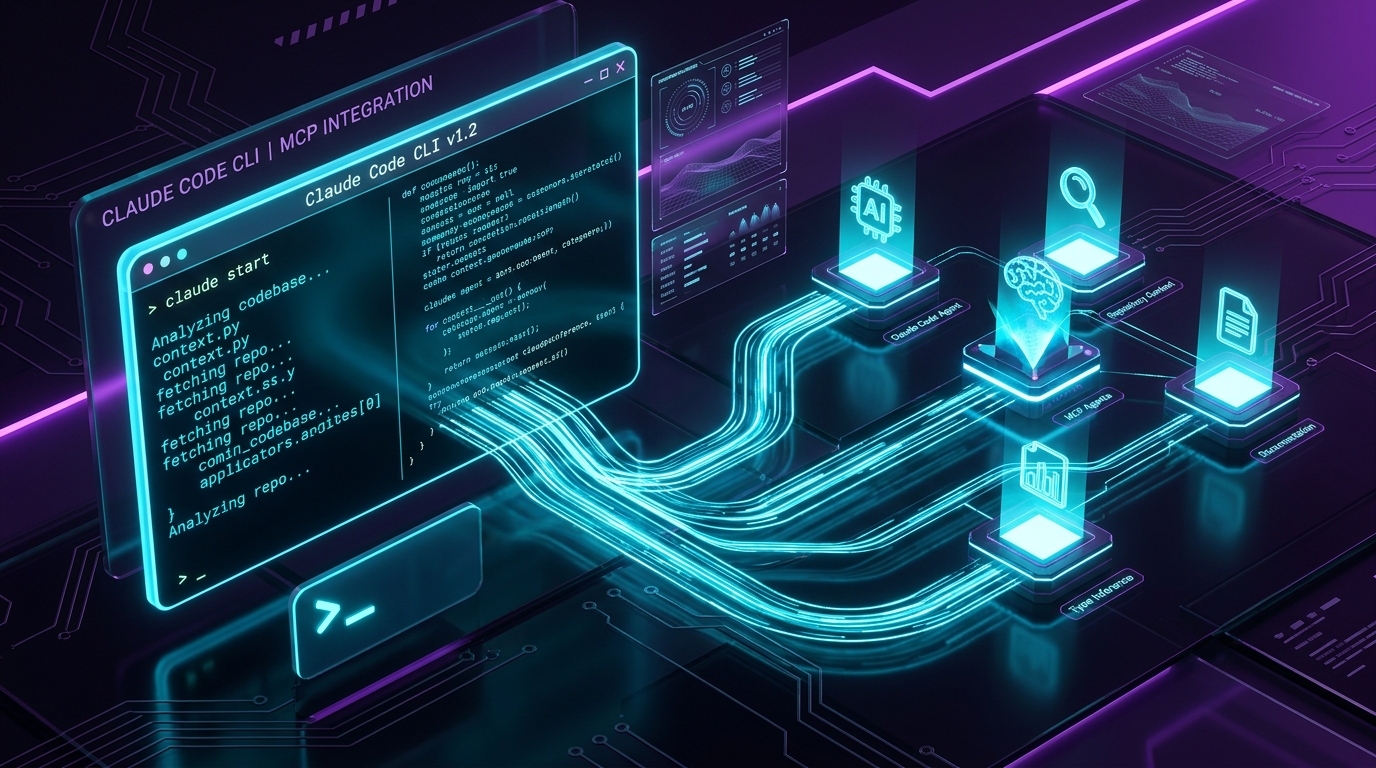
- Compiler Feedback Loops: Catching TypeScript or syntax errors before code is committed.
Layer D: Cumulative Organizational Memory
Work is an iterative game. When an AI agent makes a mistake during a development sprint, a human developer corrects it. In a standard setup, that lesson is lost the moment the chat window closes.In a harness-engineered system, every bug fix, code review correction, or security patch generates a new entry in the project's playbooks or rule files. Over time, coherence becomes cumulative. The codebase actively teaches future agent runs how to avoid repeating past mistakes.
---
3. How Harness Engineering Powers Vibe Coding Codex
At Vibe Coding Codex, we have fully embraced Harness Engineering across all 10 of our flagship development missions.
When students enter our platform, they are not taught to memorize syntax or copy-paste code snippets. Instead, they operate as System Directors:
- Formulating PRD Specifications: Defining brand identity, schema boundaries, and feature requirements in structured markdown.
- Deploying Sequential Prompt Loops: Executing targeted prompt blueprints tailored for Claude Code, Cursor, or Antigravity.
- Evaluating Verification Harnesses: Running automated spec conformance tests and inspecting live previews.
---
4. Key Takeaways for Developers & Engineering Leaders
- Stop Blaming the AI: If an agent generates bad code, your harness is missing context or constraints.
- Build Repository Context: Add an
AGENTS.mdorCLAUDE.mdfile to your project root today. - Automate Verification: Give your AI agents CLI tools to run tests, check types, and verify builds independently.
- Make Learning Cumulative: Save corrections and rule updates directly in your repo to prevent repeated errors.
Ready to master Harness Engineering in practice? Explore our interactive flagship missions on Vibe Coding Codex and star Ryan Lopopolo’s official repository on GitHub.
Ready to Stop Typing Code & Start Directing AI Systems?
Join 5,000+ developers building real production software with AI. Learn the 7-Stage Vibe Coding OS, harness engineering, and earn your verified Build DNA Certificate.